When an enjoyed one is sitting in a region prison, the clock really feels louder. Phone calls from a holding cell are brief and disorienting. A magistrate sets a bond amount that checks out like a foreign language. Because minute, family members usually come to be the choice makers, and the choice is not simply whether to upload bail. It is whether to become lawfully and monetarily in charge of the defendant's return to court. The mechanics look straightforward externally, however the responsibilities are layered. Understanding those layers can be the distinction in between navigating the case with focus and stumbling into long‑term financial obligation or lawful headaches.
What a Bond Bond Is, and What It Is Not
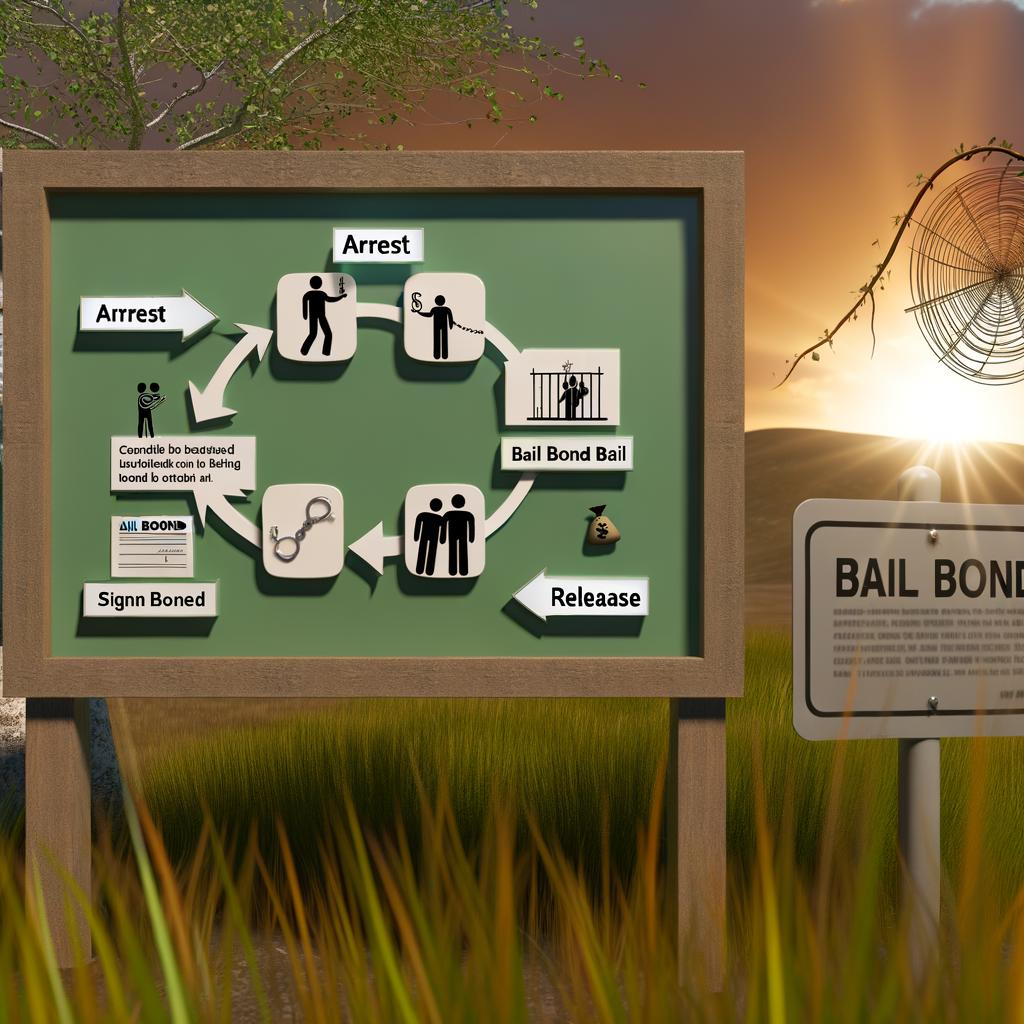
Bail is a court's guarantee that an accused will appear for hearings. The court sets a buck quantity and, in a lot of jurisdictions, uses two courses. You can pay the full amount straight to the court, which is returned at instance end minus fees if the accused shows up. Or you can collaborate with a certified bail bond company that publishes a guaranty bond. That surety bond is a guarantee to the court that the company will pay the total if the offender misses. In exchange, you pay the bond firm a nonrefundable charge, frequently called a premium.
In several states the premium runs 10 percent of the bail quantity, but the array is bigger than people think. I have actually seen 5 percent on reduced danger instances in rural regions and up to 15 percent in territories with higher default rates or stricter regulations. Collateral, which can be cash money, a lorry title, fashion jewelry, or a lien on real estate, might be called for to secure the bond. The bond agent evaluates risk much like an expert. They consider the accused's ties to the community, job history, prior failings to appear, and the seriousness of the charge.
A bail bond is not a get‑out‑of‑jail totally free card. It is an agreement with problems. When a member of the family indications, they end up being an indemnitor or cosigner. That trademark is not ritualistic. It provides the bail firm the right to seek settlement and to impose certain conditions on the defendant and on you.
The Cosigner's Lawful Role
The cosigner's core promise is easy theoretically: if the defendant fails to show up, you will repay the bail firm for losses, approximately the sum total of the bond plus costs. That guarantee rests inside an agreement that can run numerous pages. It typically includes grant collect from you without first filing a claim against, the right to report misbehavior to credit scores bureaus, and grant use security to any kind of unpaid balance.
The language differs by state. Some states call for vibrant disclosures, others do not. An usual provision permits the bail company to charge for "practical initiatives" to find and return the defendant if they skip. Those efforts can consist of employing recovery agents, traveling, filing fees, and court charges. I have watched those costs jump rapidly. A $25,000 bond can turn into a $27,500 demand after a missed court date as soon as a forfeiture is entered and a recuperation team is dispatched. If recovery stops working and the court gets in last judgment versus the bond, the company pays the complete bond, after that looks to the cosigner for reimbursement.
This indemnity responsibility lasts till the bond is vindicated. Exoneration happens when the instance finishes or the court or else launches the surety. Dismissals, pardons, appeals, and sentencing can all trigger exoneration, however only after the court formally releases the bond. If a case is continued for months, the bond endures each reset. If the defendant is re‑arrested on the very same situation and the court revokes bail, the bond might be vindicated from that point forward, but you should validate in writing.
Money on the Line: Premiums, Fees, and Collateral
Families normally concentrate on the premium due to the fact that it is the first check they write. That premium is nonrefundable. Also if the situation is disregarded two days later, the cost continues to be gained when the offender is released on the bond. Some states allow payment plans. Review those carefully. Late fees, default rate of interest, and acceleration stipulations prevail. A missed payment can place the accused's bond in danger if the representative looks for to surrender them because of nonpayment, which agents can do if the agreement allows it and state legislation permits.
Collateral is worthy of sober thought. If you pledge an auto title, confirm there suffices equity to satisfy the collateral requirement and make sure you deserve to promise it. If you promise real estate, you may be signing an act of count on or home loan that develops a lien. Liens can impact refinancing or sale up until the bond is vindicated and the lien is released. Ask for a created security receipt that notes the thing, its condition, and the terms for return. When the situation ends and the bond is pardoned, the collateral must be released immediately. Follow up with the clerk's office for the exoneration order and provide a copy to the representative to cause release.
A concealed price, not in bucks however in risk, is joint obligation amongst numerous cosigners. If 3 siblings cosign, the bail business can gather the sum total from any type of among them. Inner contracts among member of the family can help allot responsibility, yet they do not bind the bail business. Place your interior contract in writing anyway, since it can lower dispute down the line.
Your Task to Keep the Accused on Track
When you cosign, you come to be part supporter, part job manager. Courts expect accuseds to appear for every hearing. That includes arraignments, status conferences, motion hearings, and test days. Some courts enable remote looks for regular matters, but do not presume anything. Call the clerk or inspect the court's online site, and conserve screenshots or created confirmations.
Transportation is the most usual failing point. A morning hearing throughout town ends up being a no‑show if the accused's cars and truck breaks down. Address for that upfront. Establish a place, a backup motorist, and a prepare for early arrival. Advise them to bring identification and any paperwork the court has actually released. Also little blunders, like entering the incorrect courtroom, can create a failing to show up if the defendant is not checked in prior to the court calls the calendar.
Another duty is to keep contact info existing with the bond agent and with the court if bought. Moves, phone number adjustments, brand-new tasks, also changes to work shifts must be reported. Some bond arrangements call for once a week check‑ins or in‑person sees to the representative's workplace. Missed out on check‑ins can be dealt with as an infraction and may trigger an abandonment request.
I have seen relative prosper by dealing with court dates like medical treatments. They select dates off the docket, placed them on a shared calendar, add reminders the day previously and the early morning of, after that call or text when they come to the court house. A 30‑second message can avoid a misconception if a docket is running late or a court moves rooms.
When Things Go Sideways
Missed hearings happen. The reason matters, yet the first priority is activity. If a defendant misses out on a hearing, a bench warrant is generally issued. Some courts allow a "walk‑in" subdue within a short home window. That indicates the offender can appear willingly, explain the situations, and ask to have the warrant recalled with the bond reinstated. Judges see aggressive returns more positively than arrests days later. If the bond agent becomes aware of a miss out on, they might contact you quickly. Collaborate. Representatives can file a reinstatement letter or show up in court to support a demand to remember the warrant, specifically if the accused has a clean track record.
If the defendant is gone and less competent, your choices narrow and your risk climbs. The bond firm may employ recuperation representatives, often called bail enforcement representatives. State regulations differ extensively here. In some areas they can enter property with consent, in others they require explicit court authorization. No matter, if the accused goes away, your indemnity responsibility is most likely to grow with each step the firm takes. Do not hide info or impede healing. It may really feel loyal to shield a relative, yet legitimately you are increasing your own direct exposure. In a tough situation I dealt with years back, a grandmother dealt with a $50,000 judgment due to the fact that she withheld her grand son's area while he wandered from couch to sofa. When she ultimately came forward, the expenses had currently ballooned.
Occasionally, you will certainly find out facts after release that transform your comfort degree. Perhaps the offender slipped back, or threatened a companion, or got a brand-new fee. Most agreements enable the bond company, and usually the cosigner, to request surrender. That suggests returning the offender to wardship and asking the court to exonerate the bond. Surrender is psychologically ruthless, yet it exists for a reason. If real danger or trip risk arises, abandonment can cut losses and shield others. Document your issues. Overcome the representative, out your very own, to prevent liability.
Court Orders Past Showing Up
Bail is not only concerning appearances. Judges regularly established problems: no contact with alleged victims, no weapons, travel limitations, time limits, digital monitoring, therapy or therapy, and medication screening. Violations can cause bail revocation also if every court day is met. As a cosigner, you do not become a probation police officer, but you can support conformity. If travel is restricted to the area, do not prepare a weekend journey to a neighboring state. If weapons are banned, remove firearms from shared home. If medication testing is purchased, assistance set suggestions and avoid environments that set the accused up to fail.
Financial problems also pop up. Some courts order partial cash money bond together with a guaranty bond, or impose restitution or fees as a problem of launch. Compare these. Restitution and penalties belong to instance personality, not bail, and they are not refunded. Bail has to do with assurance to appear.
Working with a Bond Agent: What to Anticipate and What to Demand
An excellent bond agent does more than gather a costs. They explain the court's process, offer reminders, and function as a functional bridge in between system and household. Still, their loyalty rests with the surety arrangement. They are threat managers. Treat the partnership as specialist and documented.
Before you authorize, ask for a complete copy of the agreement, consisting of any attachments or riders. Verify the costs percent, the settlement schedule, the security terms, and the certain events that can activate abandonment. Ask if there are charges for court date pointers, location checks, or reinstatement documents. Some firms bill small quantities for administrative jobs, others fold them right into the costs. Transparency up front avoids disputes later.
If English is not your key language, demand an equated contract or an interpreter. Many states call for significant language accessibility. Do not count on a hurried description in a noisy lobby. Misconceptions about fees or security release are the most usual sources of grievances to state regulators.
Finally, confirm just how the agent will certainly alert you and the offender about court days. Sms message, email, telephone call, or application informs all work with paper. In truth, individuals miss texts and transform numbers. You need redundancy. Request numerous calls on data and a clear timetable for reminders.
Ethics and Difficult Love
Families stroll a tightrope between support and enabling. The line shifts situation by situation. In pacifist misdemeanors, the objective is typically stability: encourage work, college, therapy, and keep stress on court compliance. In instances with violence, tracking, or substance abuse, borders safeguard every person. If a restraining order is in place, it uses even if the protected person claims it is fine to talk. It is not fine. Infractions can lead to brand-new charges and revoke bail. If soberness is a condition, take into consideration third‑party screening or organized programs instead of relying on self-discipline. Be truthful with defense counsel regarding dangers. A lawyer armed with bad truths can manage them. A lawyer surprised in court is playing from behind.
I have sat at cooking area tables where a mommy wanted to cosign and a father did not. Both have standing. If you really feel pressured, step back. Bonds can usually be posted a day later without altering the case trajectory. If you do not desire your debt or home connected to a criminal situation, claim so. You can still sustain by going to hearings, collaborating transportation, and helping communicate with counsel.
Regional Distinctions That Matter
Bail guidelines are not consistent. California got rid of industrial bail for lots of offenses in some areas, after that courts curtailed pieces of that reform. New Jersey shifted to a risk‑based system with much less cash money bonds. Texas maintains standard Bail Bonds, usually with 10 percent costs. In the federal system, surety bonds are unusual and unsafe personal recognizance bonds prevail, with problems imposed by pretrial services policemans as opposed to bail agents. The significance of "failing to appear" differs also. In some courts, arriving late matters. In others, clerks will reset if you check in the exact same day.
The factor is to ask neighborhood questions. Call the staff, speak to a local defense lawyer, or check out the court's bond schedule and local policies. If a person informs you, "this is exactly how it constantly works," probe for the county name, not just the state. Practices can shift at the courthouse level.
The Defense Attorney's Role and Exactly how Household Can Help
Bail is the first tactical fight in a criminal instance. A defense lawyer can request for a bond reduction, suggest for launch on recognizance, or request for conditions instead of a high buck amount. Families can strengthen that disagreement. Composed evidence of work, a letter from a treatment program verifying a bed day, proof of stable housing, or school registration documents can move a judge. Bring documentation to the initial hearing. Juries reply to specifics: a manager's phone number, a beginning day, a lease in the defendant's name.
After launch, advice will certainly want updates on conformity. If the offender has a hard time to make curfew or misses an examination, inform the lawyer early. Legal representatives can ask for adjustments before infractions accumulate. Waiting up until an abrogation hearing frequently eliminates good will.
The Lifecycle of a Bond and How It Ends
From a cosigner's perspective, the goal is bond exoneration and collateral launch. The bond typically continues to be basically up until the situation is resolved, which can range from weeks to greater than a year. Facility situations, especially felonies, can extend much longer. During that time, the court might transform conditions, boost or decrease the bond quantity, or revoke and renew the bond. Track those modifications. If the bail quantity is decreased, ask the representative whether the costs is changed. In the majority of states, costs are not refunded due to decreases, yet if a brand-new bond is released at a reduced amount, the costs on the brand-new bond might be reduced. Make clear whether you are signing a new agreement or customizing the old one.
At completion of the situation, ask the defense attorney or the staff for a licensed copy of the bond exoneration. Provide it to the representative and demand, in writing, security release within a details timeline. If real estate was promised, request for the original lien launch tool and recording verification. Maintain duplicates. If the agent does not release collateral immediately, rise to the guaranty firm provided on the bond and, if required, to the state insurance regulatory authority that supervises bail agents.
Common Mistaken beliefs That Trip Up Families
People frequently assume bond is a penalty. It is not penalty, it is a warranty of look. Households also assume court refunds come to them if they published via an agent. They do not. The court deals with the agent, not the cosigner. One more myth is that a rejected instance gets rid of all bond‑related debt. The costs stays made. If the offender skipped and expenses were sustained prior to the situation was dismissed, you may still owe those costs under the contract.
There is also confusion concerning who can withdraw the bond. Representatives can give up accuseds without a court searching for of offense if the contract enables. Courts can revoke bond also if the agent sustains continued launch. The cosigner can request surrender, but the agent decides whether to act. Understanding these bars aids you promote intelligently rather than making demands that can not be enforced.
A Practical, Very little List for Cosigners
- Confirm the overall premium, payment timetable, and all possible costs prior to signing. Document all court dates in several schedules and established repetitive reminders. Keep the bail representative, court, and guidance updated with existing addresses and phone numbers. Collect and save evidence of bond exoneration, then request collateral release in writing. If a hearing is missed, coordinate instant volunteer appearance and notify the representative and legal representative the same day.
When Bail Is Not the Right Path
There are minutes when publishing bail is risky. If the offender encounters a probation infraction hold or a migration detainer, paying a bond on the brand-new situation may not result in launch. The jail will hold them on the other issue. In that scenario you could spend thousands and still have your liked one stay in custody, with the bond operating and threat accruing. Confirm all holds before you pay. The prison documents division or defense attorney can verify.
If a defendant is likely to be punished to time offered within days, posting bond to acquire two days of freedom may not be worth the monetary threat. The calculus is individual, yet run it with eyes open. Alternatively, there are situations where instant launch issues immensely: preserving a work, taking care of children, or attending therapy consumption. Triage the top priorities and ask the attorney for a timeline estimate. A harsh range can lead whether to release financial savings currently or hold for legal charges and living costs.
The Human Side, Informed Plainly
I keep in mind a dad who vowed his pickup for his little girl's bond on a possession instance. He established alarm systems, drove her to every hearing, and printed out her pay stubs to show the judge. She made it via 8 months of court dates, completed outpatient therapy, and gained a deferred judgment. On the last day he strolled the exoneration order to the bond workplace and picked up his title. He informed me the most awful evening was the first, when whatever really felt nontransparent. What transformed it was making a note of duties and treating them like a work. He did not romanticize it. He did the list.

I also bear in mind an auntie who guaranteed for her nephew against her better judgment. He had actually bounced between jobs and had 2 previous failings to show up. She wished this moment would be different. Three months later he missed out on a condition hearing. The representative called, she dodged the phone call, and a warrant provided. He was arrested a week later in another area. The bond was surrendered, the agent paid fees to reinstate and transport him back, and the firm required reimbursement. The auntie offered her precious jewelry to cover part of it and invested the bulk of a year paying the rest. Her remorse was not the trademark, it was neglecting the threat signals she already knew.
These stories are normal because bail pulls households into the justice system's orbit. The very best means with is basic, hard. Read every little thing. Keep records. Communicate early and often. Support the defendant while honoring the lines that protect you and others. And remember, your signature has power. Utilize it when the plan is practical and the obligations are shared, not when hope is doing all the work.
Final Ideas That Assist in the Moment
The regulation checks out a bail bond as a contract. The court cares that the accused appears. The bond representative monitors danger. As a family member, your responsibility is to stand in the middle with clearness. Know what you are encouraging. Put practical scaffolding around the defendant's obligations. Act promptly if something slips. When the case ends, shut the loop with documents and demand security release.
If you are uncertain, time out. Call a defense attorney. Ask the notary what the next hearing is and how failures to show https://lancaster-90407.lucialpiazzale.com/exactly-how-to-pick-a-dependable-bondsman-near-you up are dealt with. Ask the bail representative to go through a missed out on hearing circumstance carefully. Ten mins of specific inquiries can stop months of stress and anxiety. And if you choose to proceed, approach it like any type of severe financial dedication, because that is exactly what it is.
ABBA Bail Bonds 900 Avila St STE 101 Los Angeles, CA 90012 (213) 296-0901 https://abbabailbonds.com